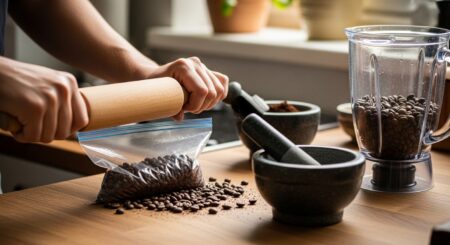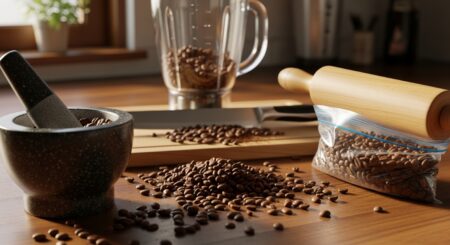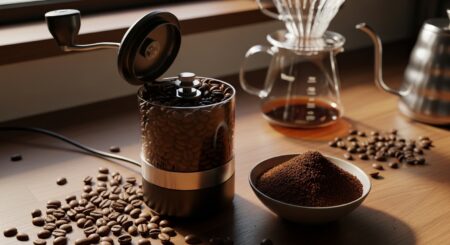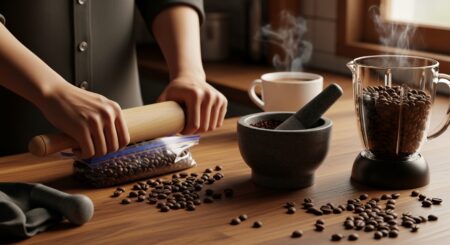

You probably searched how to use coffee grinder because something just felt… off, right? Like the coffee tasted weirdly bitter or kinda flat and you’re staring at this grinder thinking, “am I doing this wrong or is it just broken or what?” Yeah, been there, honestly.
Grinding coffee isn’t hard in theory, but somehow it still manages to trip people up in small annoying ways. It’s not just “press button, get powder.” The grind size, timing, even how you hold the thing (yeah, seriously) all matter more than you’d expect. And no one really tells you that part in a normal way.
Let’s go through it properly—but like a human would explain it, not like a manual that sounds like it was written by a robot who’s never even smelled coffee.
Why Grinding Coffee Properly Actually Matters
So here’s the thing—when you grind coffee beans, you’re basically deciding how the flavor is gonna show up in your cup. Too fine? You get bitterness that kinda punches you in the face. Too coarse? It tastes like someone waved coffee near water and called it a day.
A study from the Specialty Coffee Association found that grind consistency directly affects extraction yield. Which is a fancy way of saying: if your grind is all over the place, your coffee will be too.
And yeah, that sounds technical but in real life it just means: uneven grind = weird taste.
Types of Coffee Grinders (and Why You Should Care a Bit)
Before you even get into how to use a coffee grinder, you kinda need to know what type you’re dealing with. Not all grinders behave the same, and if you treat them like they do… well, you get disappointment in a mug.
Blade Grinder
This one is the loud chaotic one. Spins like it’s angry at something.
- Cheap, easy to find
- Chops beans unevenly
- Hard to control grind size
It doesn’t grind, it sort of… attacks the beans. You can use it, sure, but expect inconsistency unless you’re careful.
Burr Grinder
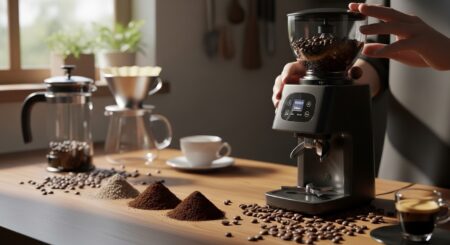
This one is calmer, more precise. Kinda like it actually knows what it’s doing.
- Consistent grind size
- Adjustable settings
- Better flavor extraction
If you’ve ever heard someone say “you need a burr grinder,” this is why. It’s not just snobbery (well, not always).
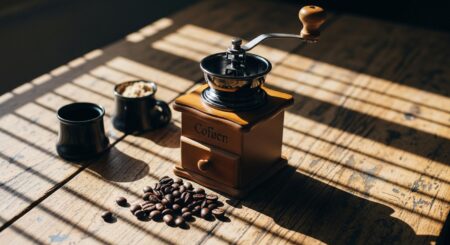
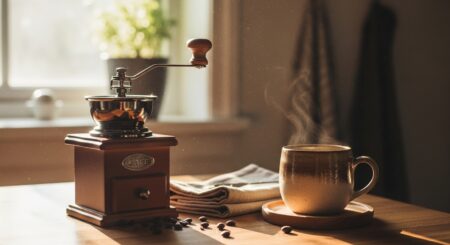
Manual Grinder
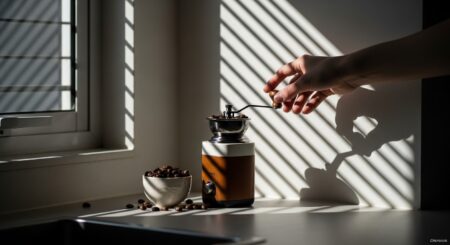
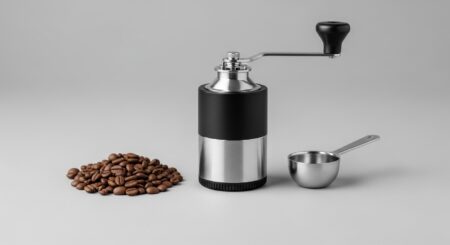
Feels a bit old-school, but also kinda satisfying in a weird way.
- Portable
- No electricity needed
- Takes effort, like real effort
Honestly, if you’re half asleep in the morning, this one might test your patience just a little.
Step-by-Step: How to Use Coffee Grinder (Without Guessing)
Alright, here’s the part you actually came for. Let’s keep it simple but real.
1. Measure Your Coffee Beans First
Don’t just pour beans randomly and hope for the best. That never ends well.
A basic starting point:
- 1–2 tablespoons of coffee per 6 oz of water
Or if you’re feeling precise:
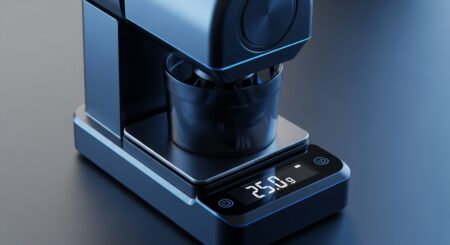
- 15–18 grams per 250 ml
You don’t have to be perfect, but at least don’t eyeball it wildly. That’s where things go sideways.
2. Choose the Right Grind Size
This part trips people up the most. You can’t just use one grind for everything.
Here’s a quick guide:
| Brewing Method | Grind Size | Texture Description |
|---|---|---|
| French Press | Coarse | Like sea salt |
| Pour Over | Medium | Like sand |
| Drip Coffee | Medium-fine | Slightly finer sand |
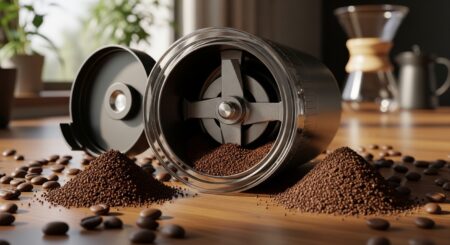
| Espresso | Fine | Like powdered sugar-ish |
If your coffee tastes off, it’s usually this step you messed up, not the beans themselves.
3. Add Beans to the Grinder
Pretty straightforward, but don’t overfill. That’s one of those small mistakes people don’t think about.
If you overload it:
- Blade grinders struggle
- Burr grinders get uneven
Fill it just enough for what you need. Not more, not less.
4. Grinding Process (This Is Where People Rush)
If you’re using a blade grinder:
- Pulse in short bursts (2–3 seconds)
- Shake it slightly between pulses
- Check consistency often
Don’t just hold the button down like you’re blending a smoothie. That’s how you end up with dust and chunks at the same time.
If you’re using a burr grinder:
- Select grind size
- Turn it on
- Let it finish
It’s honestly easier, but still—don’t walk away completely. Things happen.
5. Check the Grind
This step feels optional, but it really isn’t.
Take a pinch and look at it:
- Too powdery? You went too fine
- Too chunky? Not enough grinding
You’ll get better at this by just… doing it wrong a few times first, not gonna lie.
Common Mistakes (You’re Probably Doing One of These)
Let’s just call these out directly because most people do at least one.
Grinding Too Far in Advance
Freshly ground coffee loses flavor fast. Like, surprisingly fast.
According to coffee freshness data from National Coffee Association, ground coffee begins losing aromatic compounds within minutes.
So yeah, grinding beans the night before? Not ideal. Try to grind right before brewing if you can.
Using the Wrong Grind Size
We already talked about this, but it’s worth repeating because it’s that important.
Espresso with coarse grind = weak, sour
French press with fine grind = bitter sludge
It’s not subtle either. You’ll notice immediately.
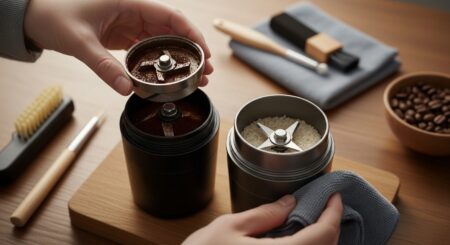
Not Cleaning the Grinder
Old coffee oils build up. And they smell… not great after a while.
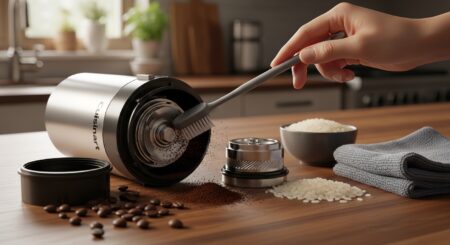
Clean your grinder:
- Once a week (light use)
- More often if you’re using it daily
You don’t need to deep clean every time, but don’t ignore it completely either.
Overheating the Beans
Especially with blade grinders, if you grind too long, the heat builds up and affects flavor.
Coffee doesn’t like being cooked again after roasting. It just doesn’t.
Tips That Actually Make a Difference
These are the little things that aren’t obvious but help a lot.
Use Fresh Beans
Sounds obvious, but not everyone does.
Look for roast dates, not just expiry dates. Beans roasted within the last 2–3 weeks are usually best.
Store Beans Properly
Keep them:
- In an airtight container
- Away from light and heat
Don’t store them in the fridge. That advice floats around, but it’s not great because of moisture.
Adjust Based on Taste
Your grinder settings aren’t “set once and done forever.”
If your coffee tastes:
- Bitter → go coarser
- Sour → go finer
It’s a bit trial-and-error, yeah, but that’s kinda the point.
Real-World Example (Because Theory Only Gets You So Far)
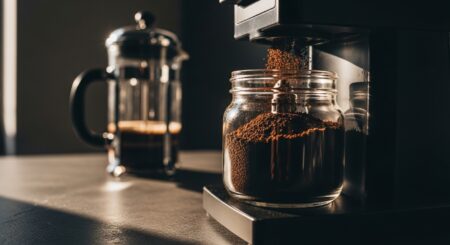
Let’s say you’re making a French press.
You grind too fine (common mistake), and then:
- Coffee tastes muddy
- Sediment everywhere
- Bitter finish
You switch to coarse grind next time:
- Cleaner taste
- More balanced flavor
- Actually enjoyable
Same beans, same method—just different grind. That’s how much it matters.
A Quick Note on Grind Consistency
Consistency is kind of the hidden factor no one talks about enough.
Even if you pick the “right” grind size, if it’s inconsistent:
- Some particles over-extract
- Others under-extract
You get this weird mix of bitter and sour in one sip. It’s confusing, honestly.
That’s why burr grinders are preferred. They reduce that randomness.
When Your Coffee Still Tastes Off
Sometimes you do everything right (or at least you think you did), and it still tastes… meh.
Check these:
- Water quality (yeah, it matters more than expected)
- Brewing time
- Coffee-to-water ratio
Grinding is a big piece, but it’s not the only piece. Still, it’s the one people mess up first.
Final Thoughts (Not the Polished Kind)
Learning how to use coffee grinder properly isn’t some big complicated skill, but it’s also not as brainless as it looks. It sits in that annoying middle space where small mistakes have big effects.
You’re gonna mess it up a few times. Everyone does. Even people who act like they’ve got it all figured out—they’ve just messed it up more times already.
If you take anything from this, just remember:
- Grind size matters more than you think
- Freshness is kinda everything
- And rushing the process usually ruins it
After a while, you stop thinking about it so much. You just… know. And your coffee starts tasting like it should’ve all along, which is honestly a small win but a very nice one.