
You probably googled how to use a coffee grinder while staring at a bag of beans that smell amazing but somehow keep turning into either dust or sad chunky rocks, and yeah, that’s a pretty normal place to be honestly. It’s weirdly not as straightforward as people pretend it is, like they’ll just say “grind your beans” as if that explains anything at all.
Let’s just walk through it properly, but not in that robotic checklist way—more like someone leaning over your shoulder going, “nah, don’t do that, try this instead.”
Why Grinding Coffee Feels Harder Than It Should
There’s this quiet lie floating around that grinding coffee is just pressing a button or turning a handle. It is, but also it kinda isn’t. The grind size changes everything, and if you get that wrong, even good beans will taste like disappointment.
Coffee extraction (yeah, that fancy word) depends on how water moves through the grounds. Too fine, and it over-extracts—bitter, harsh, almost like burnt toast vibes. Too coarse, and you get sour, weak coffee that tastes like it gave up halfway through.
So the grinder? It’s not just a tool. It’s like the gatekeeper between “wow this is amazing” and “why did I even bother.”
Types of Coffee Grinders (And Why You Should Care, Even If You Don’t Want To)
Before you even get to how to use a coffee grinder, you need to know what kind you’re using, because they behave totally different, sometimes annoyingly so.
Blade Grinder
This is the one most people start with. It looks like a tiny blender and kinda acts like one too.
- Uses spinning blades to chop beans
- Cheap, widely available
- Hard to control grind consistency
Honestly, blade grinders don’t grind—they attack. You end up with a mix of powder and chunks, which is not ideal, but you can still make decent coffee if you’re careful-ish.
Burr Grinder
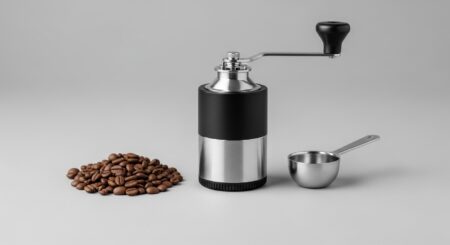
This one actually grinds properly. It crushes beans between two surfaces (burrs), giving you more control.
- More consistent grind size
- Adjustable settings
- Better flavor results
There are flat burrs and conical burrs, but unless you’re going deep into coffee nerd territory, just know burr grinders = better control.
Step-by-Step: How to Use a Coffee Grinder (Without Overthinking It)
Let’s break it down in a way that doesn’t feel like assembling furniture.
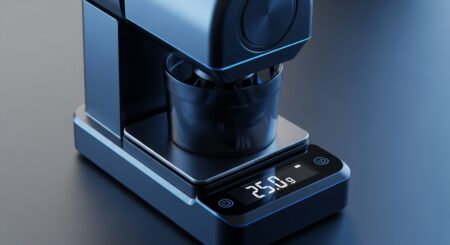
1. Measure Your Beans First (Don’t Just Eyeball It… or do, but carefully)
You can use a scale if you’re feeling precise, but a rough guide:
- 1 to 2 tablespoons of beans per cup of coffee
Too many beans and your grinder struggles. Too few and it kinda just rattles around awkwardly.
2. Choose the Right Grind Size
This is where people mess up, like almost everyone at first.
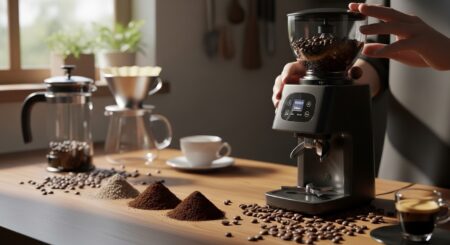
| Brewing Method | Grind Size | Texture Description |
|---|---|---|
| French Press | Coarse | Like sea salt |
| Pour Over | Medium | Like sand |
| Drip Coffee Maker | Medium-Fine | Slightly finer than sand |
| Espresso | Fine | Like powdered sugar |
If you’re unsure, start medium and adjust. Coffee is forgiving, but also not really.
3. Add Beans to the Grinder
Don’t overfill. Seriously. It feels efficient but it messes with consistency.
For blade grinders, smaller batches work better. For burr grinders, just follow the fill line (if it has one).
4. Grind in Short Bursts (Especially for Blade Grinders)
Here’s a trick people don’t always mention:
- Pulse, don’t hold the button down
This gives you more control and prevents overheating. Also, shake the grinder a bit between pulses to even things out. Yeah, it looks silly, but it works.
For burr grinders, you usually just set it and let it go, which feels nice and civilized.
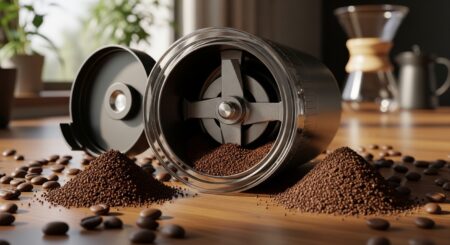
5. Check the Grind (Yes, Actually Look at It)
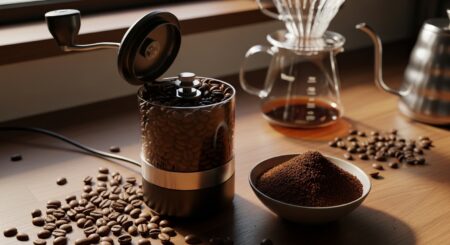
Don’t just assume it’s right. Open it up and check:
- Too powdery? You went too far
- Too chunky? Needs more grinding
This part feels tedious, but it’s where you actually learn what you’re doing.
6. Use the Coffee Immediately
Ground coffee loses freshness fast. Like, faster than you’d expect.
If you grind and then leave it sitting around for 30 minutes, you’re already losing flavor. Not catastrophic, but noticeable if you care even a little.
Common Mistakes When Learning How to Use a Coffee Grinder
You’ll probably do at least one of these. Everyone does.
Grinding Too Fine for Everything
People think finer = better. It’s not.
Fine grind works for espresso, but for something like French press? It turns into sludge. Like, actually unpleasant.
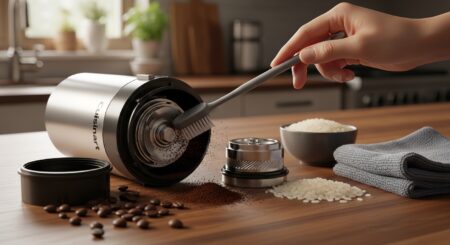
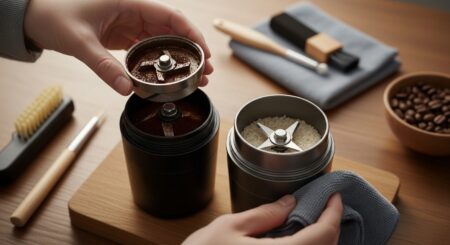
Ignoring Grinder Cleaning
Old coffee oils build up and make everything taste… stale-ish. Not terrible, just off.
Try to clean your grinder every couple weeks:
- Wipe with a dry cloth
- Use grinder cleaning pellets if you have them
- Don’t use water unless the manual says it’s okay
Overheating the Beans
This sounds dramatic, but it happens.
If you run a blade grinder too long, it heats up and slightly cooks the coffee. That changes the flavor in a weird way, kinda dull and flat.
Short bursts avoid this.
A Slightly Honest Comparison: Blade vs Burr in Real Life
People online can get a bit intense about this, but here’s the grounded version.
- Blade grinder: good enough if you’re just getting into coffee
- Burr grinder: worth it if you actually care about taste
You don’t need to upgrade immediately. But once you notice the difference, you kinda can’t un-notice it, which is annoying for your wallet.
Adjusting Your Grind Based on Taste (This Is Where You Get Good)
Once you know how to use a coffee grinder, the next step is tweaking.
If your coffee tastes:
- Bitter → grind coarser
- Sour → grind finer
- Weak → maybe more coffee or finer grind
- Too strong → coarser or less coffee
It’s a bit of trial and error. There’s no single “perfect” grind because beans, water, and even your mood somehow mess with things.
Real-World Example (Because This Helps More Than Theory)
Let’s say you’re making pour-over coffee and it tastes kinda sharp and sour.
What’s happening?
- Water is flowing too fast
- Grounds are too coarse
Fix:
- Grind a bit finer
- Try again
It’s small adjustments, not dramatic changes. Like turning a dial slightly, not flipping a switch.
Storage Tips (Because Grinding Is Only Half the Story)
Even if you master how to use a coffee grinder, bad storage will ruin your efforts quietly.
Keep beans:
- In an airtight container
- Away from light and heat
- Not in the fridge (yeah, that myth needs to go)
Whole beans stay fresh longer than ground coffee, which is why grinding right before brewing matters so much.
A Few Random but Useful Tips
These don’t always get mentioned, but they should.
- Static cling is normal (grounds sticking everywhere). Tap the grinder lightly to reduce it
- Don’t grind flavored beans if you can avoid it—they leave residue
- If your grinder sounds different, check for stuck beans
Also, your grinder doesn’t need to be perfect. It just needs to be consistent enough.
What Experts Quietly Agree On
According to the Specialty Coffee Association, grind size consistency is one of the biggest factors affecting extraction quality. They don’t say it in a dramatic way, but it’s basically the difference between “this is fine” and “this is really good.”
And that’s the thing—most people are just a few small tweaks away from better coffee.
Final Thoughts (The Part No One Says Out Loud)
Learning how to use a coffee grinder isn’t really about the grinder. It’s about noticing things—taste, texture, timing—and adjusting without overthinking it too much.
You’re going to mess it up sometimes. The grind will be wrong, the coffee will taste weird, and you’ll wonder if it’s even worth the effort. But then one cup comes out just right, and suddenly it clicks a bit.
And after that, you don’t really go back to pre-ground coffee. Not because you’re fancy, but because you know what you’re missing now, which is kinda the whole point.